The Broader Impact of the CM Punjab Rahmat Card Scheme
The significance of the Rahmat Card 2026 goes far beyond financial assistance. It represents a fundamental shift in how the state relates to its most marginalized citizens.
Breaking the Cycle of Poverty
In many rural areas of Punjab, widows are forced to depend on the goodwill of relatives or community members. The Rahmat Card replaces that uncertainty with a legal right — not a favor. This single change restores dignity and gives women agency over their own futures.
Keeping Orphans in School
One of the most heartbreaking consequences of losing a breadwinner is that children are often pulled out of school to find work. The Yateem Card component — Rs. 25,000 per child — is specifically designed to cover educational expenses so these children can remain in school and build a better tomorrow.
Digital Transparency: No Sifarish (Nepotism)
The entire Rahmat Card programme is powered by the PSER database and NADRA verification, with payments flowing directly to digital wallets or bank accounts. There are no intermediaries, no forms that disappear, and no "connections" required. The system selects the most deserving families on pure merit.
Part of a Larger Welfare Vision
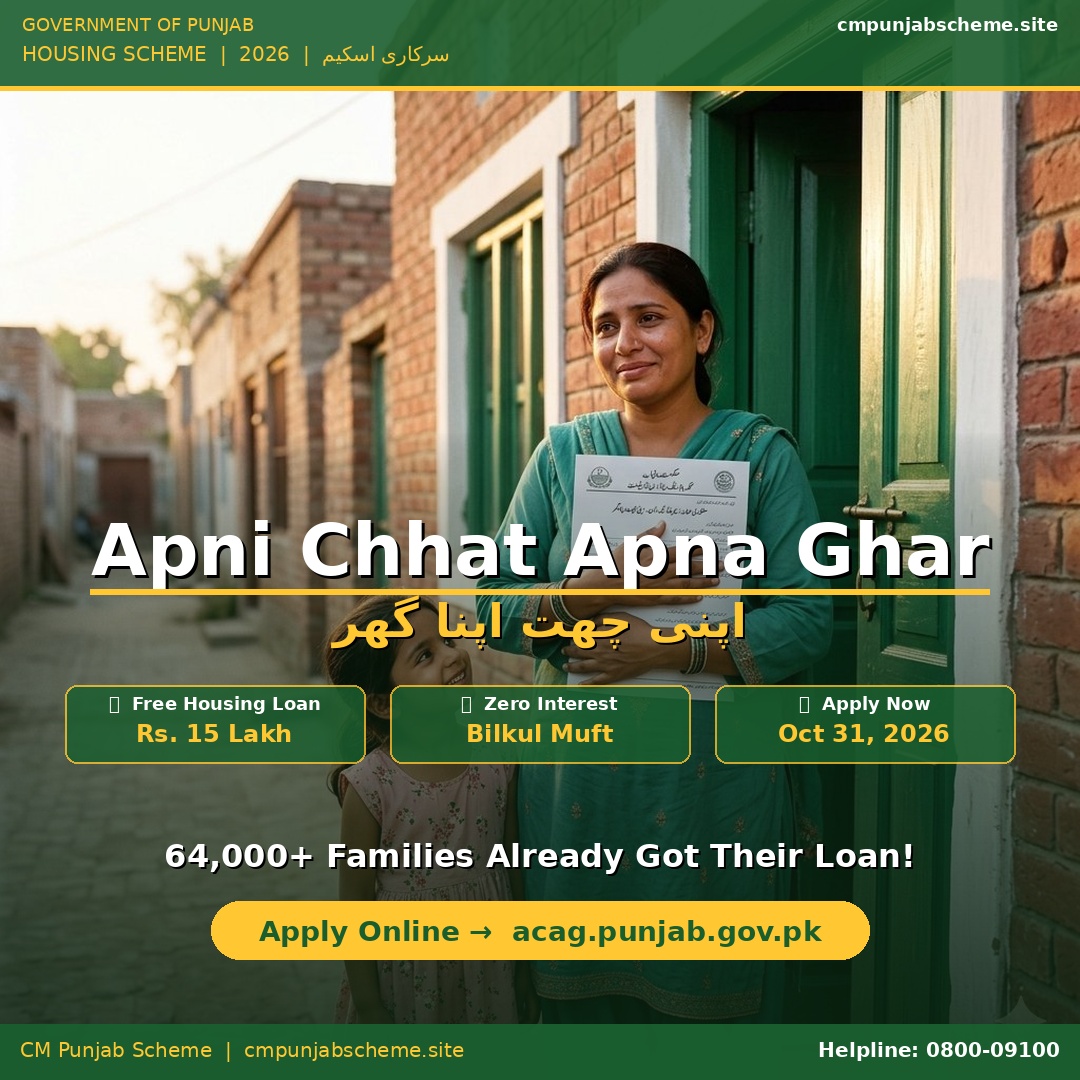
The Rahmat Card is the cornerstone of a wider social safety ecosystem in Punjab that includes BISP, the Punjab Ehsaas Programme, the Nigehban Ramzan Package, and the Apni Chat Apna Ghar housing scheme. The long-term vision is a single integrated Citizen Card providing health, education, and financial support to every deserving family.